LASER IRIDOTOMY
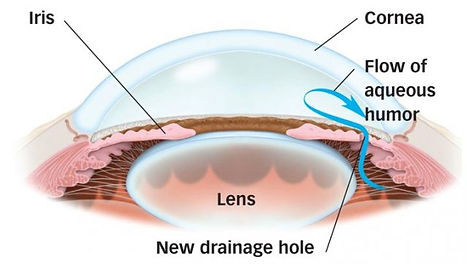
Laser iridotomy is an eye procedure used to treat angle-closure glaucoma. This condition occurs when the iris blocks the normal drainage of fluid (aqueous humor) from the front part of the eye. As a result, pressure inside the eye increases rapidly and can damage the optic nerve. If left untreated, this condition may lead to permanent vision loss. Laser iridotomy helps restore proper fluid drainage and lowers eye pressure.
This procedure can also be performed as a preventive treatment for people who are more likely to develop angle-closure glaucoma. These individuals are often described as having a “narrow angle,” which places them at greater risk for blockage of fluid drainage.
If the iris suddenly closes off the drainage angle, it can trigger an acute angle-closure glaucoma attack. Common symptoms include:
-
Blurred or cloudy vision
-
Intense pain in the eye or around the eyebrow area
-
Headache
-
Nausea or vomiting
-
Seeing rainbow-colored circles or halos around lights
An acute angle-closure glaucoma attack is a medical emergency and requires immediate treatment to prevent permanent vision damage. If you experience any of these symptoms, contact an ophthalmologist immediately or seek care at the nearest emergency room.
Some individuals with angle-closure glaucoma may not notice any symptoms, even though increased eye pressure is gradually damaging the optic nerve. This form is known as chronic angle-closure glaucoma and often requires surgical treatment. Ophthalmologists understand that lowering eye pressure as quickly as possible is important for protecting vision.
HOW IS LASER IRIDOTOMY PERFORMED?
Laser iridotomy is usually completed in an outpatient surgical facility or in your ophthalmologist’s office. During the procedure, the surgeon uses a laser to create a very small opening in the iris. This opening allows aqueous fluid to flow more freely and helps the iris return to a normal position. Once the fluid can circulate properly, eye pressure is reduced.
Laser iridotomy is a quick procedure that generally takes only a few minutes. The process includes the following steps:
-
Your eye will be anesthetized with numbing eye drops. Additional drops may be used to make the pupil become very small.
-
Your ophthalmologist will place a specialized contact lens on your eye to help direct and focus the laser accurately.
-
The laser will then be used to create a tiny opening in the iris. You may notice a slight stinging or pinching sensation during this step.
-
Following the procedure, your vision may remain blurry for several hours. It is recommended that someone drive you home afterward.
-
Your ophthalmologist may prescribe medications or eye drops that need to be used for a few days after the procedure.
RISKS OF LASER IRIDOTOMY
As with any medical procedure, laser iridotomy has potential risks. However, complications are generally rare. Possible risks include:
-
Headaches or discomfort around the brow area
-
A temporary rise in eye pressure
-
Redness, inflammation, or pain in the eye
-
Bleeding inside the eye
-
Blurred vision or seeing light streaks
-
Development of a cataract, which is a clouding of the eye’s natural lens
-
The possibility of needing another laser iridotomy or additional eye surgery in the future
Your ophthalmologist will review both the benefits and possible risks of laser iridotomy before the procedure.